The global boom in grid-level energy storage brings new operational hurdles, especially as unpredictable weather patterns push hardware limits to the absolute edge. When deploying a BESS (Battery Energy Storage System), extreme conditions quickly expose environmental vulnerabilities. Searing heatwaves cause sudden inverter shutdowns, freezing winters prevent systems from initiating safely, and minor temperature differences inside the enclosure silently ruin battery cell consistency.
Securing the entire operational chain requires targeted cooling. Precision cabinet-level Thermal Management acts as the crucial defense line for these installations. Utilizing LEIPOLE LP series air conditioners paired with FFU fans offers a dependable methodology to hold strict temperature thresholds. This guide breaks down the specific cooling strategies for every unit, from the Battery Storage Cabinet to control electronics, and examines how these setups function across diverse, harsh climates.
Why Cabinet-Level Thermal Management Is Critical for BESS
The BESS Ecosystem: Every Cabinet Counts
A modern grid installation is not a single box; it is an interconnected ecosystem of dedicated hardware. A standard ESS Cabinet works in unison with a Power Conversion System, an EMS Control Cabinet, an Electrical Distribution Panel, and a Telecommunications Cabinet.
Because these units operate together, a single thermal failure triggers a chain reaction. A tripped breaker due to heat accumulation in the distribution unit can knock the entire battery bank offline. If the communication gear overheats, operators lose visibility over the entire site, demonstrating exactly why individual enclosure cooling is non-negotiable.
Extreme Environment Risks by Temperature Zone
Without strict Thermal Management, the surrounding environment dictates hardware lifespan.
- High-Temperature Scenarios (>40°C): The Battery Storage Cabinet experiences rapid capacity fade. Concurrently, IGBT components face thermal derating, and electrical insulation ages prematurely, increasing fire risks.
- Low-Temperature Scenarios (<-10°C): Freezing conditions severely limit charging capabilities, spike internal battery resistance, and stop circuit boards from booting up safely.
- High-Humidity and Salt Fog Scenarios: High moisture levels lead to internal condensation, causing immediate short circuits and long-term corrosion on critical copper busbars.
LEIPOLE Thermal Management Solutions for BESS
LP Series Cabinet Air Conditioners — Core Cooling Power
Designed specifically for industrial outdoor enclosures, LEIPOLE LP series air conditioners deliver targeted climate control. These units feature a broad cooling capacity range, wide operating temperature thresholds, and strict IP protection ratings, all while achieving low energy usage metrics. For freezing climates, integrated heating-and-cooling models supply the necessary warmth to keep electronics functioning, making them a foundational element of any Thermal Management strategy.
FFU Fan Filter Units — Uniform Airflow and Dust Control
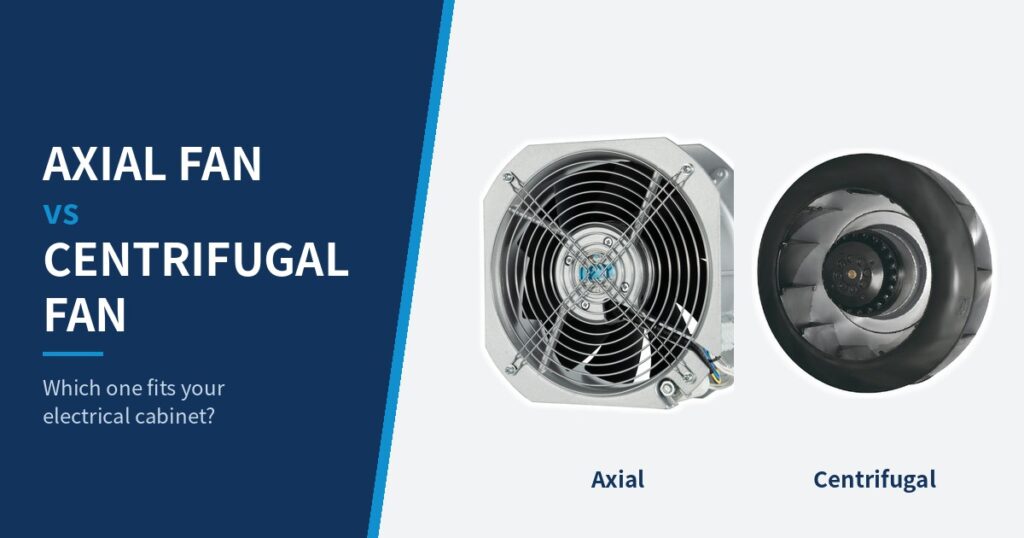
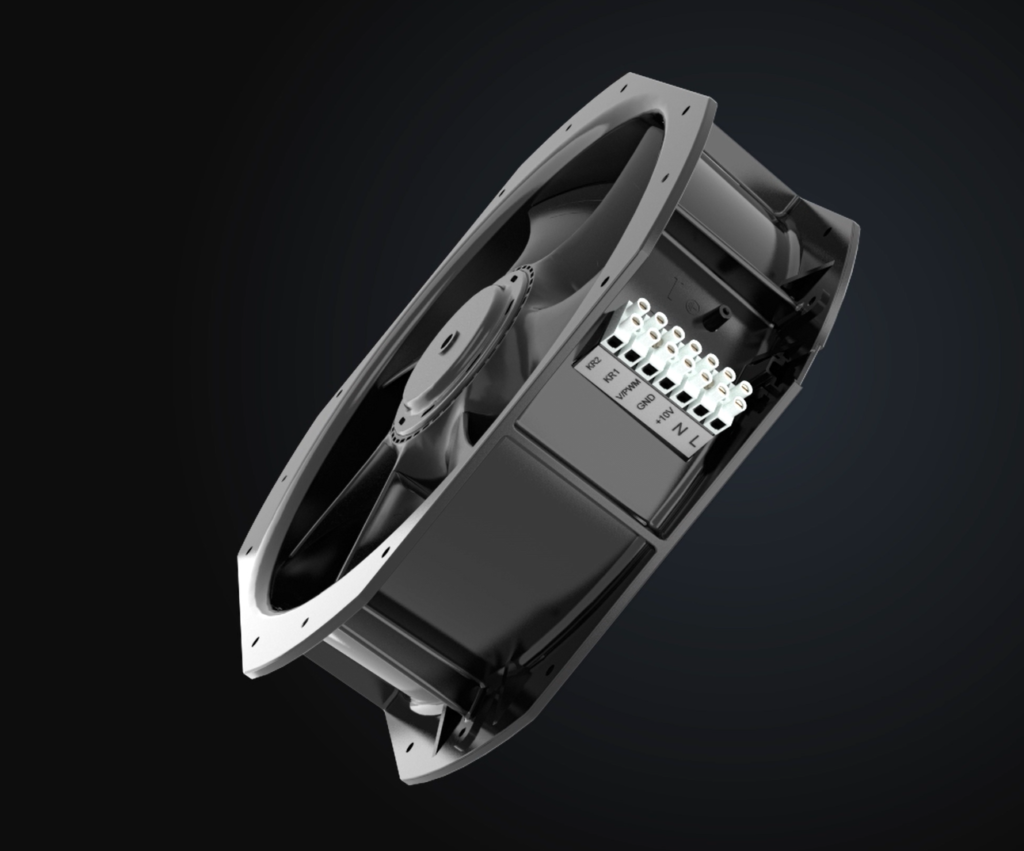
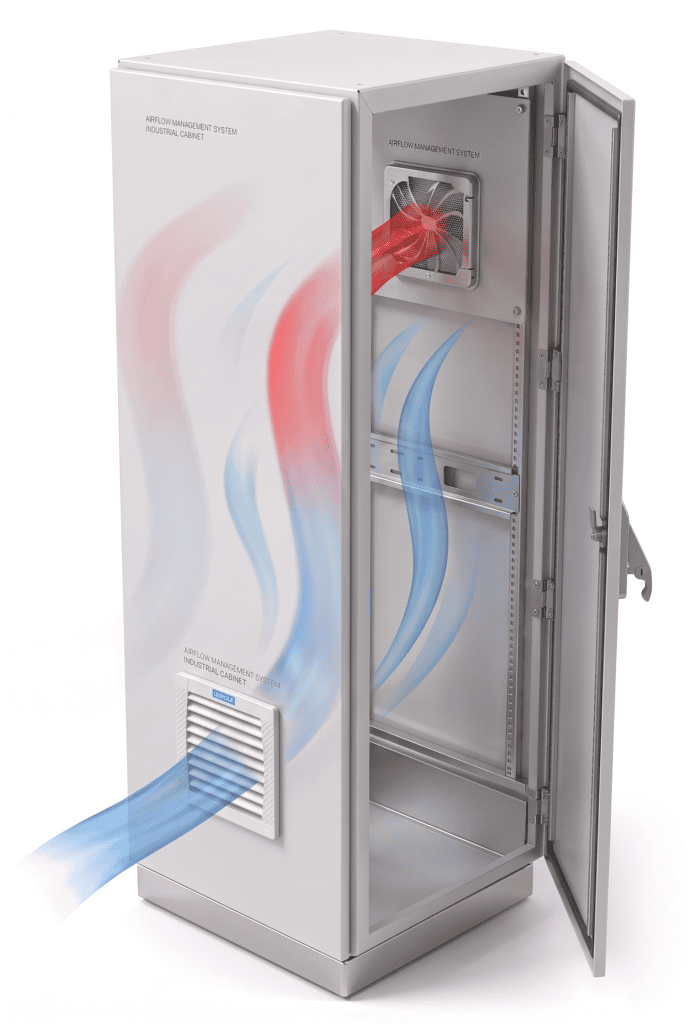
While cooling units generate cold air, FFU fans dictate where that air travels. These units focus on internal airflow organization and dust filtration. Utilizing a top-supply and bottom-return duct design, they eliminate localized hot spots within the ESS Cabinet. In heavily polluted or sandy desert settings, this dual function of circulating air and trapping external particulate matter prevents hardware suffocation.
How LP Air Conditioners + FFU Fans Work Together
Synergy drives this setup. The air conditioner outputs the specific required thermal load, while the fans distribute that treated air evenly across all racks. Inside a tightly packed Battery Storage Cabinet, this combination narrows the temperature delta between individual cells, locking in strict consistency. Compared to relying on a single cooling source, this paired approach lowers energy consumption and drastically reduces the risk of localized overheating.
Protecting Every BESS Cabinet with LEIPOLE Solutions
Battery Storage Cabinet — Precision Cooling for Cell Consistency
Cell temperature differences must stay under 5°C; exceeding this margin degrades cycle life and throws the entire string out of balance. To protect the Battery Storage Cabinet, LEIPOLE LP series air conditioners supply accurate temperature settings, while FFU fans deliver uniform airflow to achieve module-level temperature uniformity. This targeted approach inside the ESS Cabinet acts as a primary defense against thermal runaway during intense charge cycles.
Power Conversion System (PCS) Cabinet — Stable IGBT Performance
The Power Conversion System generates immense heat through its internal IGBT modules. When temperatures spike, conversion efficiency drops, leading to potential shutdowns. LEIPOLE LP series air conditioners deliver constant, heavy-duty cooling to regulate a stable climate for the inverter, making certain the system handles full-load operations without thermal throttling, delivering vital cooling redundancy.
EMS Control Cabinet — Dependable Brain Under All Conditions
Industrial PCs, PLCs, and relays inside the EMS Control Cabinet are highly sensitive to thermal drift, which causes logic errors and control inaccuracies. Compact LEIPOLE models fit perfectly onto these smaller enclosures, keeping the control electronics stable. In freezing zones, the integrated heating elements warm the electronics safely before the system attempts a cold boot.
Electrical Distribution Panel — Safety and Load Capacity
Busbars and circuit breakers emit heat under heavy loads, and high ambient temperatures force a reduction in their safe current-carrying capacity. By cooling the Electrical Distribution Panel, facility operators increase the load capacity of these components and prolong insulation life. Adding FFU fans further eliminates localized heat pockets around heavy copper connections.
Telecommunications Cabinet — Uninterrupted Connectivity
If switches, network gateways, or 5G modules overheat, the site goes dark, leaving operators blind. Small-form-factor LEIPOLE units fit onto the Telecommunications Cabinet, combining dust protection with active heat dissipation. This unified defense keeps communication lines open and significantly reduces the need for maintenance visits to remote, unmanned sites.
LEIPOLE Solutions Across Extreme Environment Scenarios
Desert and High-Temperature Solar-Storage Sites
Desert installations face daytime highs exceeding 45°C, intense UV radiation, and heavy sandstorms. Deploying high-temperature LP 系列空调 alongside FFU风机 secures the ESS Cabinet. This specific build allows all-day operation without thermal throttling and noticeably extends the replacement cycle for internal air filters by blocking external sand.
Cold Climate and High-Altitude Energy Storage
Sites facing -30°C freezes, low atmospheric pressure, and massive day-to-night temperature shifts require specialized care. Integrated heating-and-cooling LP 系列空调 make certain safe system startups. Utilizing a dual strategy of enclosure insulation and active pre-heating guarantees the Battery Storage Cabinet and inverters boot up safely without stressing the hardware.
Coastal and Offshore Wind-Storage Projects
High salt fog, heavy moisture, and constant corrosion threats define coastal projects. For these sites, Thermal Management relies on anti-corrosion exterior coatings for the cooling units, paired with fully sealed enclosure designs. Active dehumidification routines run continuously to stop internal condensation from forming on sensitive logic boards.
Industrial and Factory Microgrid Deployments
Manufacturing environments deal with airborne metallic dust, tightly packed machinery, and localized factory heat. Using targeted cooling alongside FFU风机 supplies a necessary shield for the Power Conversion System and surrounding units. This setup allows for unified temperature control across multiple closely deployed enclosures on a busy, dusty factory floor.
Performance Validation and Field Proven Results
Testing Standards LEIPOLE Products Meet
Before deployment, these cooling units undergo strict industrial testing. They meet exacting IP protection ratings and carry CE and UL certifications. Furthermore, the hardware passes rigorous high-low thermal cycling, heavy salt spray exposure, and mechanical vibration tests to confirm total readiness for harsh field conditions.
Real Deployment Data and Efficiency Metrics
Field data validates that this specific cooling methodology tightens the internal temperature fluctuation range and holds cell temperature deltas strictly within specification. Compared to natural ventilation, annual Power Usage Effectiveness (PUE) metrics improve noticeably. Site managers also report a sharp drop in operational expenses, driven by longer filter lifespans and a heavy decrease in heat-related downtime.
How to Select the Right LEIPOLE Configuration for Your BESS
Sizing Guide by Cabinet Type and Heat Load
Selecting the correct equipment depends heavily on distinct heat loads. The battery bank requires precision stability, the inverter needs heavy-load dissipation, and the control electronics require small-scale stabilization. Operators must calculate the specific thermal output of the internal gear to appropriately size the LP 系列空调, while matching the cubic feet per minute (CFM) output of the FFU风机 to the total internal volume of the enclosure.
Deployment Best Practices
Proper installation dictates field results. Position the cooling units to avoid direct exhaust recirculation into neighboring cabinets. Inside the ESS Cabinet, carefully plan the airflow ducts so the FFU风机 pushes air uniformly across all racks. Finally, establish a routine checklist to inspect seals, clean condenser coils, and replace filters before the highest-demand seasons begin.
Frequently Asked Questions (FAQ)
Q: What temperature can LEIPOLE LP air conditioners maintain in a BESS cabinet? A: These units are designed to stabilize targeted, stable temperature bands (typically around 25°C for batteries) with high precision, preventing both thermal runaway in summer and freezing faults in winter.
Q: Why combine LP air conditioners with FFU fans in battery cabinets? A: While the air conditioner supplies the necessary cold air, the fans guarantee that air reaches every corner of the enclosure. This eliminates hot spots and keeps cell temperatures completely uniform, which preserves battery life.
Q: Can LP series units handle both heating and cooling for cold regions? A: Yes. Integrated heating-and-cooling models supply active warmth to prevent electronics from freezing and make certain batteries reach safe operating temperatures before charging begins.
Q: Are LEIPOLE thermal management products suitable for outdoor BESS deployments? A: Absolutely. They feature strict IP ratings to block heavy rain and dust, and can be outfitted with anti-corrosion treatments for coastal salt-fog environments.
Q: Which BESS cabinets require dedicated thermal management? A: To safeguard the entire site, dedicated cooling must be applied to the Battery Storage Cabinet, the Power Conversion System, the EMS Control Cabinet, the Electrical Distribution Panel, and the Telecommunications Cabinet.e Electrical Distribution Panel, and the Telecommunications Cabinet.